The Paper Beneath the Drawing
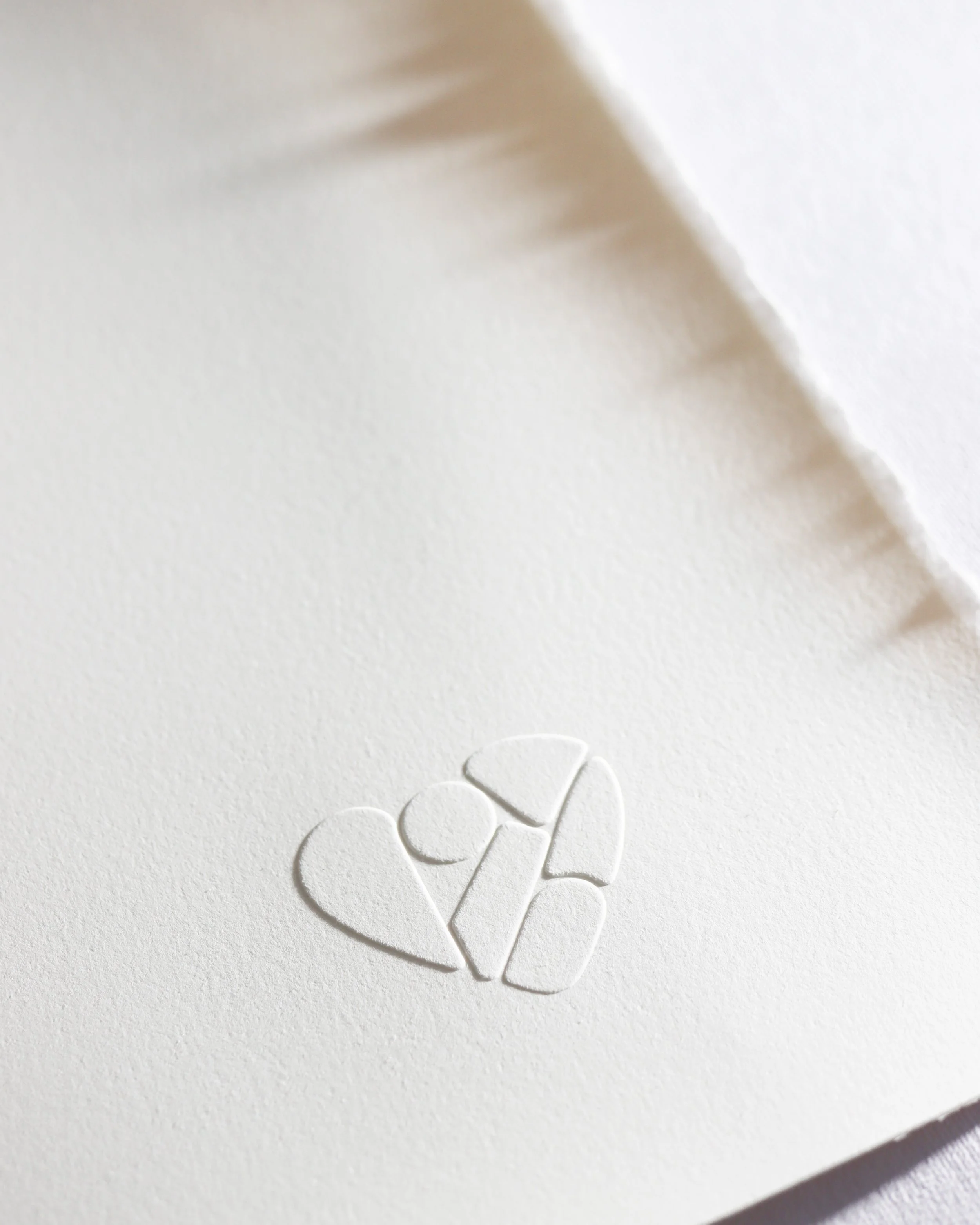
The drawing begins before the first mark is made.
For me, the paper is not simply the surface the charcoal sits on. It is inseparable from the work itself.
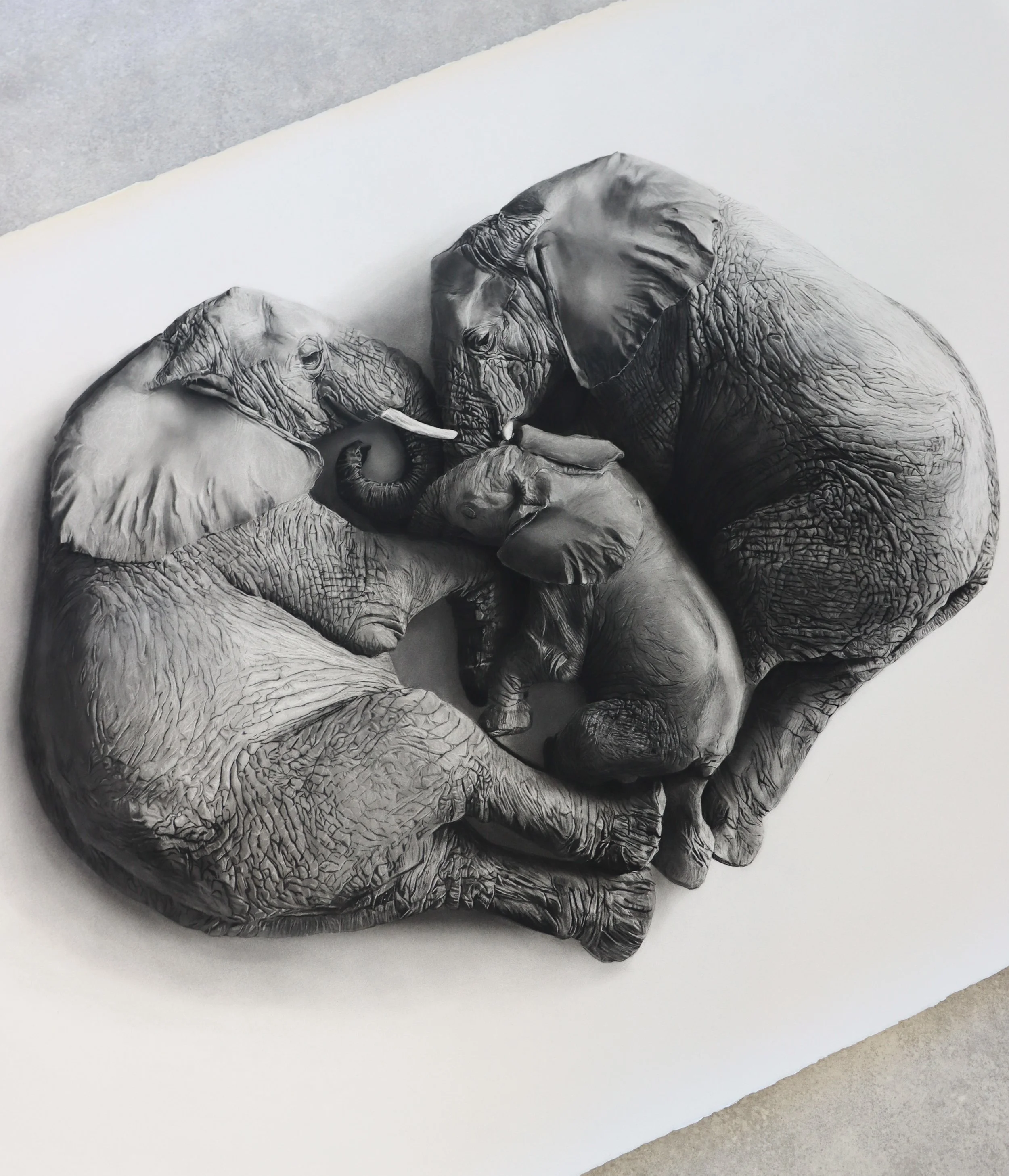
Every Wild Hearts original is created on Arches Aquarelle Hot Press, a 100% cotton archival paper, selected for its smooth surface, longevity and ability to hold fine detail.
At the scale of Wild Hearts, that relationship becomes particularly important.
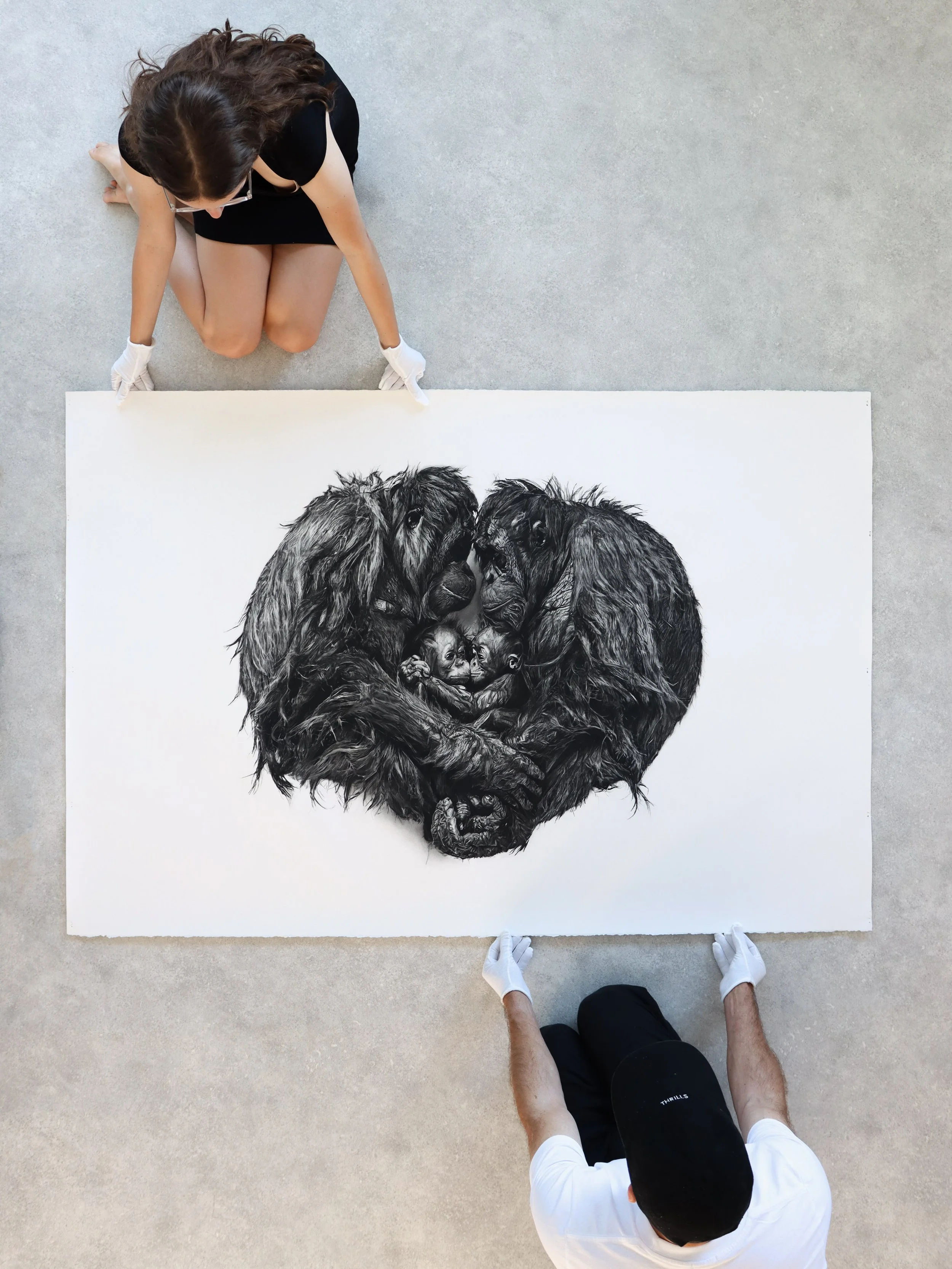
Each original measures 160 × 113 cm. The paper has to hold an enormous amount of charcoal, but it also has to allow for the smallest marks, the softest transitions and the areas where almost nothing is drawn at all.
That balance is central to the work.
The white shapes the image
Charcoal is often thought of as a medium of darkness.
For me, the white of the paper is just as important.
The untouched surface creates the space around the animals. It allows the forms to emerge without enclosing them. The drawing can become dense and almost sculptural in one area, then dissolve back into the paper a few centimetres away.
The image is therefore made from both presence and absence.
Charcoal creates the form.
The paper creates the space around it.
Neither works without the other.
A surface that records the hand
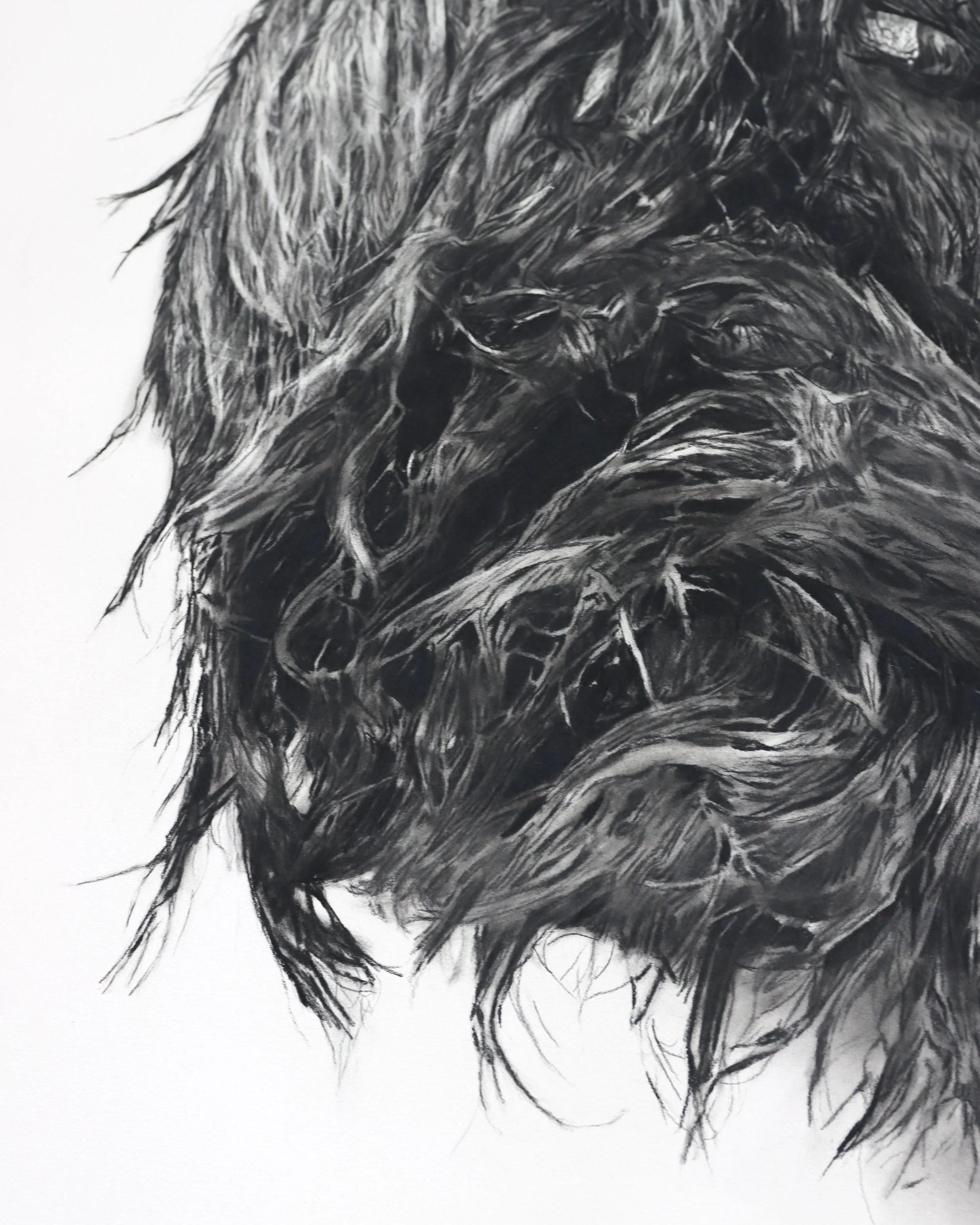
Hot Press paper has a particularly smooth surface, which allows the charcoal to respond to the smallest movements of the hand.
That matters when working at this level of detail.
A line can be sharpened. A shadow can be softened. A small area can be lifted back. The surface records those decisions.
The paper becomes a kind of record of the process.
Not just what was added, but what was removed.
Not just the final image, but the decisions that produced it.
The edge matters too
There is also something physical about the paper that I don’t want to hide.
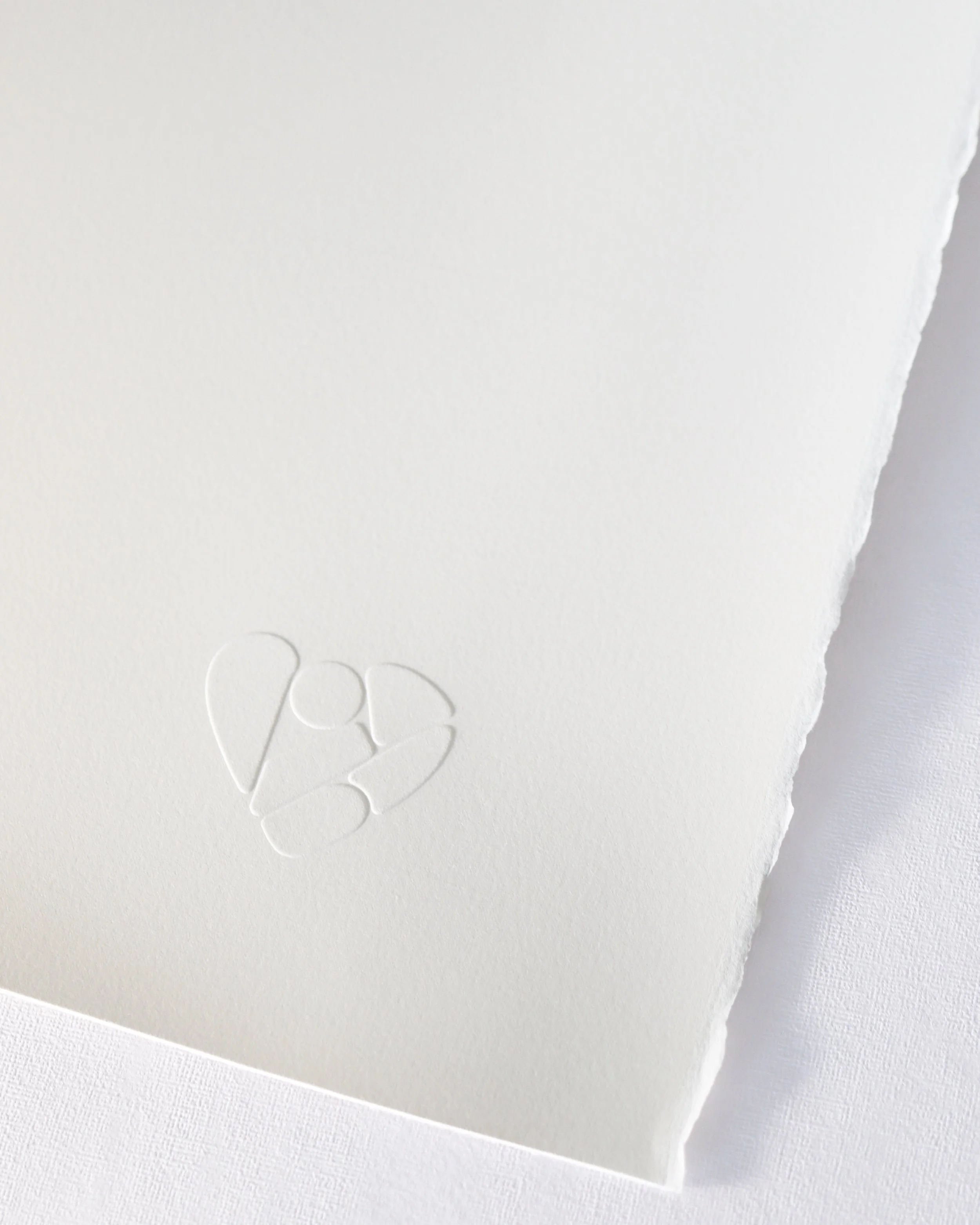
The natural deckled edge is formed during the papermaking process, creating a soft, irregular edge to the sheet.
For Wild Hearts, that edge belongs to the original.
It is one of the reasons I prefer a floating presentation rather than a conventional window mount. The artwork can sit slightly away from the backing, allowing the edge to remain visible and creating a subtle shadow around the paper.
The frame then becomes part of the environment of the work without taking over from it.
The material gives scale its presence
Working at 160 × 113 cm changes the relationship between artist, paper and drawing.
The sheet occupies the studio.
I work across it rather than simply looking into it.
The scale allows the animals to become almost architectural, but the material keeps the work intimate. Every mark is still made by hand.
That contrast is important to me.
The work is large.
The process is still extremely close.
Paper and charcoal
Ultimately, Wild Hearts is a relationship between two very simple things.
Charcoal.
Paper.
One creates the darkness.
The other holds the light.
And somewhere between the two, the animals emerge.
The paper beneath the drawing is never intended to disappear.
It belongs to the work.